Freelance service
Custom Shopify App Development
I build custom Shopify apps that do what off-the-shelf apps can't: automated fulfilment, supplier and ERP syncs, webhooks, bulk catalogue changes and admin tools, built on the Admin GraphQL API, Shopify CLI and serverless workers.
When a store runs on five apps that each do part of a job, you pay five monthly fees and still fill the gaps by hand. A custom app does exactly your process, owns your data and loads nothing on your storefront that it doesn't need.
I build both private apps for a single store and public apps for the Shopify App Store, from the first webhook to billing. I've built apps that buy and deliver products the moment an order is paid, keep thousands of prices in sync with a supplier, and install theme sections into a live theme with one click.
Who this is for
- Stores with a manual process an app could do: fulfilment, tagging, pricing, stock or reporting
- Businesses connecting Shopify to a supplier, warehouse, ERP, CRM or ad platform
- Merchants paying for several apps that each do part of one job
- Founders and agencies building a public app for the Shopify App Store
What's included
Order automation and fulfilment
Apps that act on orders the moment they are paid: buy from a supplier, issue a code or file, tag the order and email the customer, with locks so a retry never runs twice.
Supplier, ERP and API syncs
Two-way syncs between Shopify and outside systems for products, prices, stock and orders, on a schedule or in real time through webhooks.
Admin tools and bulk changes
Embedded admin pages and scripts for jobs Shopify admin can't do in bulk, using the Admin GraphQL API with backups before every change.
Theme app extensions
App blocks and embeds that merchants add in the theme editor, so the app shows up on the storefront without editing theme code.
Billing and App Store readiness
Shopify Billing API plans and one-time charges, OAuth, GDPR webhooks and the checks the App Store review needs.
Hosting and monitoring
Deployed on Cloudflare Workers, Vercel or your own servers, with logs, retries and alerts so you know when an outside API fails.
How it works
- 1
Map the workflow
We go through the process the app replaces, step by step, including what happens when something fails. You get a scope and a fixed price.
- 2
Prototype on a dev store
The core flow built first on a development store with test orders, so you can see it working before anything touches your live store.
- 3
Build and harden
Webhook verification, retries, idempotency, rate limits and logging added, then tested against real edge cases like refunds and partial orders.
- 4
Install and hand over
Installed on your store, monitored through the first live orders, and documented so another developer could pick it up.
Recent work
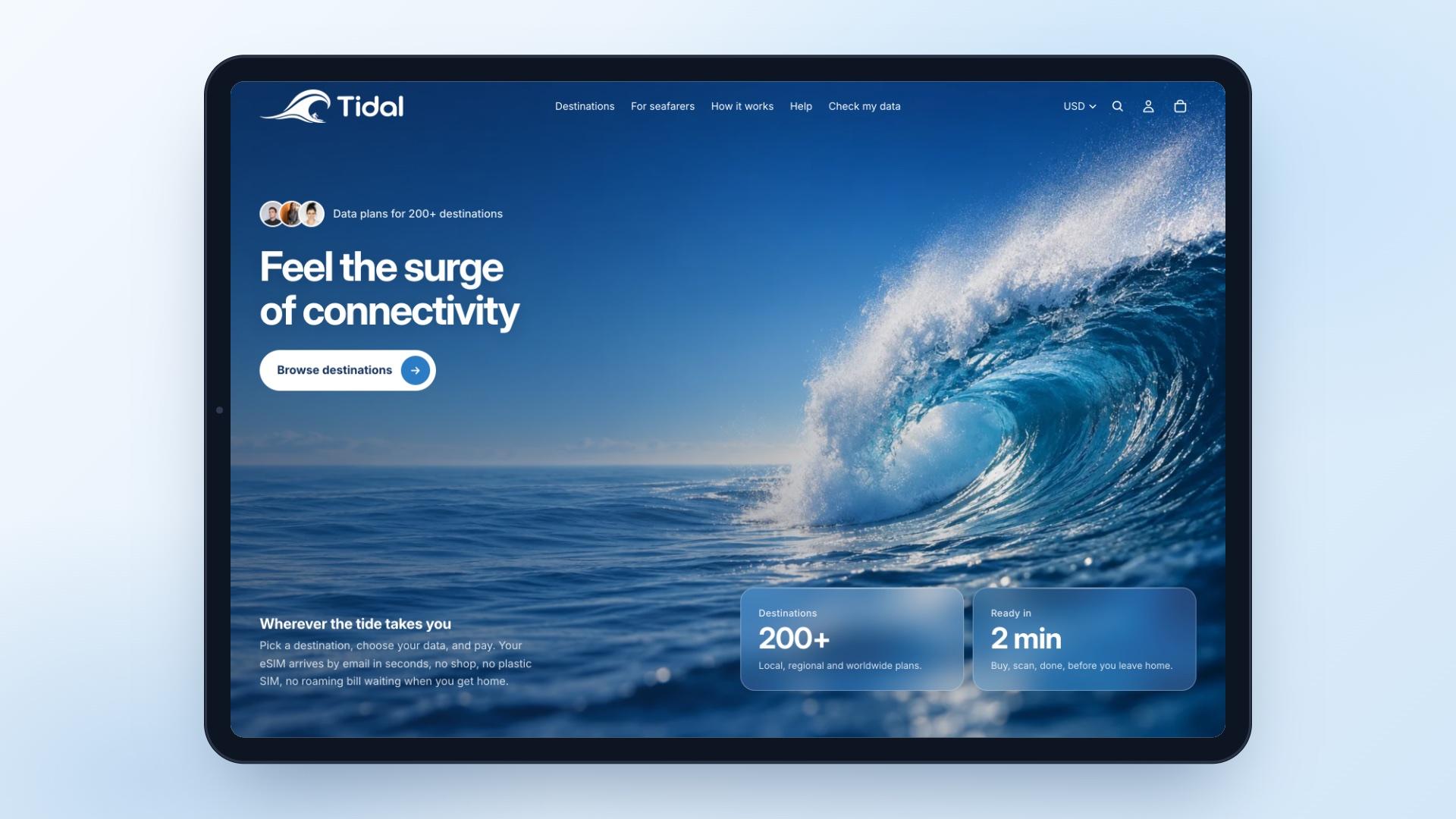
Tidal eSIM - Travel eSIM Store with Automated Fulfilment
A complete travel eSIM business on Shopify: 217 destinations and 2,040 data plans synced live from the Airalo Partner API, a custom Horizon storefront, and a Cloudflare Worker that buys and delivers each eSIM within seconds of payment. It also adds live data-usage tracking, low-data emails, multi-currency pricing and affiliate codes, all within the supplier's pricing rules.
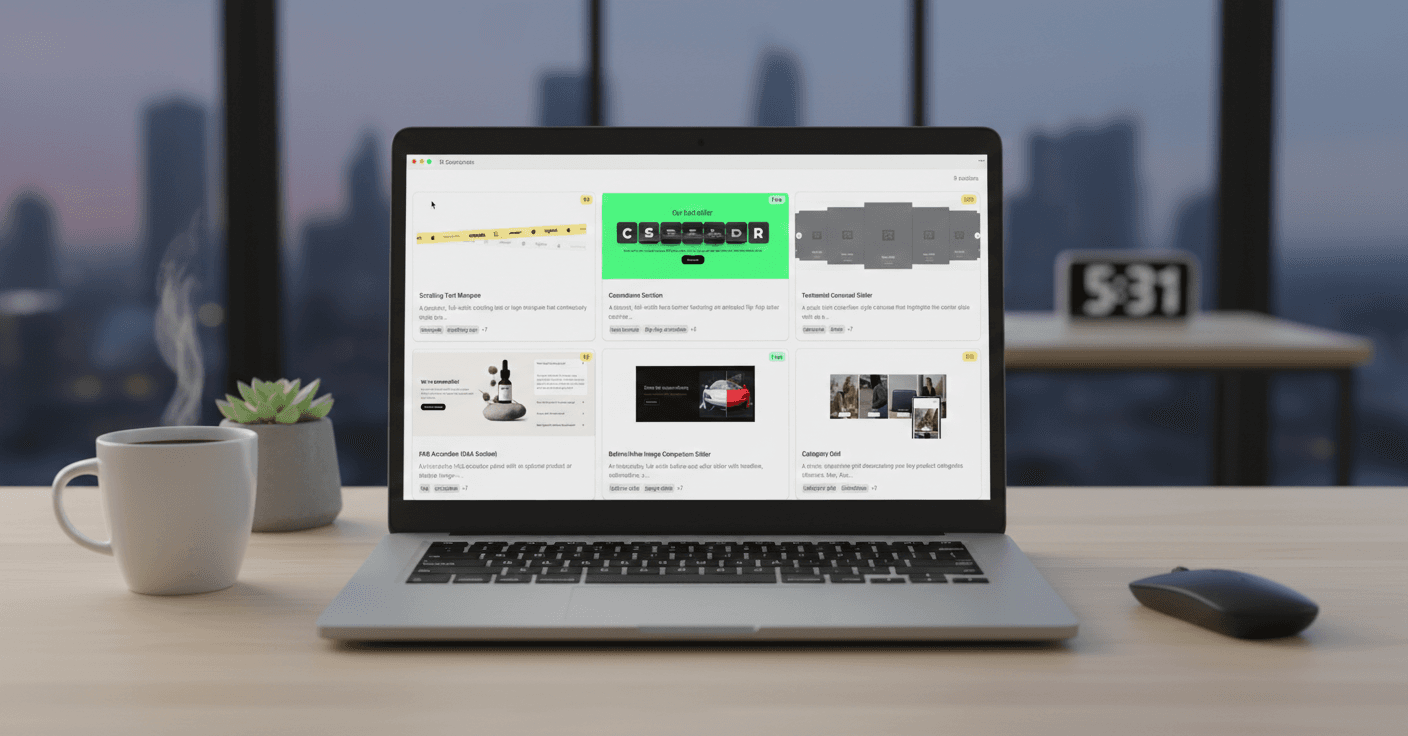
Sections Stack - Shopify Theme Sections Marketplace
A Remix-powered Shopify app where merchants can browse, preview, purchase, and instantly add reusable theme sections to any live or draft theme. Includes an admin-only workspace for curating the catalog, managing pricing, and shipping updates without touching code.
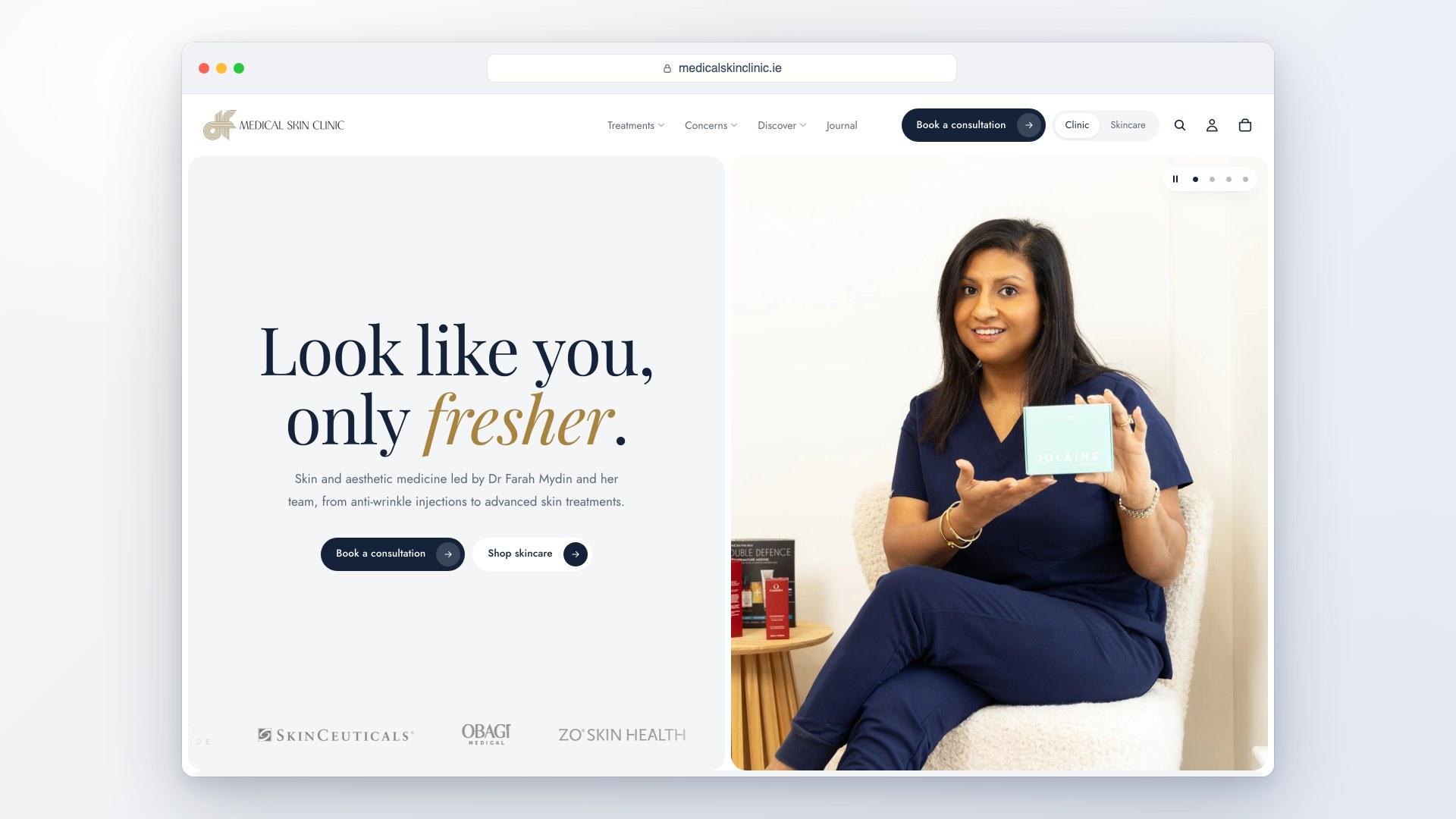
Medical Skin Clinic - Doctor-Led Clinic and Skincare Shop on Shopify
One Shopify store for an Irish skin clinic with two halves: a clinic site where every treatment page leads to a consultation, and a skincare shop with clinic-approved brands. Built on Horizon with 58 custom sections, 67 page templates driven by page metafields, curated routines sold as kits, grouped collection pages, and buy now, pay later through Humm. Launched on medicalskinclinic.ie with 239 redirects from the old WordPress site.
Tools I use
Frequently asked questions
What is the difference between a custom app and a public app?+
A custom app is built for one store (or one company's stores) and installed directly, with no App Store review. A public app is listed on the Shopify App Store for any merchant to install, and needs billing, OAuth and an App Store review. I build both.
How much does a custom Shopify app cost?+
A focused app that automates one workflow costs much less than a public app with billing and a full admin. After we map the workflow I send a fixed price. Many clients find a custom app costs less within a year than the monthly app fees it replaces.
Where is the app hosted?+
Usually on Cloudflare Workers or Vercel, which are fast, cheap and need no servers to look after. If you have your own infrastructure I can deploy there instead. You own the code and the hosting account.
Can the app slow down my store?+
Not if it is built properly. Most of the work happens on the server through webhooks and the Admin API, so nothing loads on your storefront. Any storefront parts are theme app extensions that load only where they are used.
What happens if Shopify changes its API?+
I build against a pinned API version and can update the app before Shopify retires that version. Maintenance can be a small monthly retainer or ad hoc.
Further reading
Have a project in mind?
Tell me about your store and what you need, and I'll come back with questions or a fixed quote.
Contact me